Plant symptom checker
Houseplants tell you what's wrong through their leaves and stems. Find your plant's symptom below for the most likely causes and the first thing to try. For a plant-specific answer, get an AI diagnosis from a photo — it reads the actual damage and your plant's care needs.
Diagnose with a photo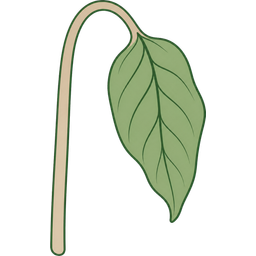
Droopy, wilting leaves
Leaves go limp and hang down instead of holding firm.
Likely causes
- Underwatering — the soil has dried out too far
- Overwatering or root rot — roots can't take up water
- Sudden temperature change or a cold draft
- Recent repotting or transplant stress
First step: Check the soil 3–5 cm down: bone dry means water; soggy means stop and check the roots.
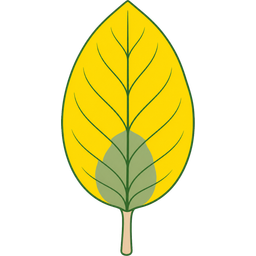
Yellowing leaves
Leaves fade from green to yellow, often from the bottom up.
Likely causes
- Overwatering — the most common cause
- Natural ageing of the oldest leaves
- Too little light
- Nutrient deficiency in long-unfed plants
First step: Confirm the pot drains freely and let the soil dry more between waterings.
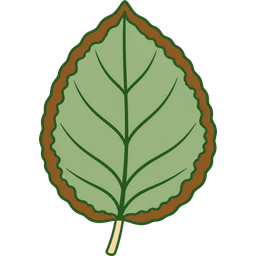
Brown, crispy leaf edges
The leaf margins or tips turn brown and dry.
Likely causes
- Low humidity
- Underwatering or inconsistent watering
- Fertiliser or mineral salt build-up in the soil
- Sensitivity to minerals in tap water
First step: Raise humidity, water more evenly, and flush the soil with plenty of water to clear salts.
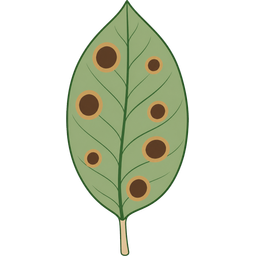
Spots on the leaves
Brown, black, or yellow spots appear on leaf surfaces.
Likely causes
- Fungal or bacterial infection (often from wet foliage)
- Sunburn from direct, intense light
- Overwatering
First step: Isolate the plant, remove badly affected leaves, and keep water off the foliage.
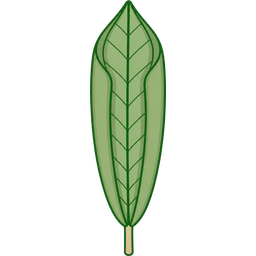
Curling leaves
Leaves curl under, cup, or distort.
Likely causes
- Underwatering or heat stress
- Too much direct light
- Pests such as spider mites or aphids
First step: Check the leaf undersides for pests, then review watering and light.
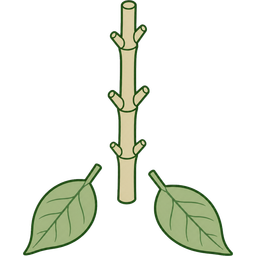
Dropping leaves
The plant sheds leaves, sometimes suddenly.
Likely causes
- Shock from moving, repotting, or a temperature swing
- Over- or underwatering
- Cold drafts or heat sources nearby
First step: Stabilise the spot — steady light, temperature, and watering — and give it time.
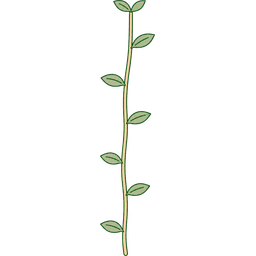
Leggy, stretched growth
Long, thin stems with wide gaps between small leaves.
Likely causes
- Not enough light — the plant is reaching for more
First step: Move it to a brighter spot and rotate it regularly for even growth.
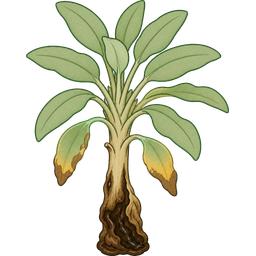
Soft, mushy stems
Stems or the base turn soft, dark, and mushy.
Likely causes
- Overwatering leading to stem or root rot
First step: Stop watering immediately, check the roots, and repot into fresh, dry, well-draining mix.
Sticky residue on leaves
A sticky film appears on leaves or the surface below the plant.
Likely causes
- Sap-sucking pests (scale, aphids, or mealybugs) leaving honeydew
First step: Inspect stems and leaf undersides for pests, wipe the leaves, and treat the infestation.