Plant Passport
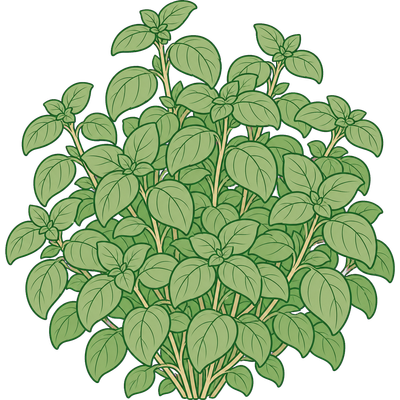
Basil
Ocimum basilicum
LightBright
Water7-10d
PetCheck
PP OCIM UMBA SILI
Issued 2026 · Valid while cared for
Basil
Basilicum
Ocimum basilicum
Also known as Ocimum basilicum var. basilicum
“The kitchen diva who demands sun and rewards you with pesto.”
herbediblefragrantbalcony friendlyfast growingpet safechild safe
- Light
- Bright light
- Water
- Keep lightly moist
- Pet safety
- Pet safe
- This month
- Continue harvesting. Take stem cuttings in water to propagate new plants for autumn indoor growing. Watch for downy mildew in humid weather. Sow a late batch for autumn.
August care tip
Continue harvesting. Take stem cuttings in water to propagate new plants for autumn indoor growing. Watch for downy mildew in humid weather. Sow a late batch for autumn.
Quick Care Summary
- Light
- Bright light
- Water
- Keep lightly moist
- Placement
- Sunny kitchen windowsill or warm balcony, at least 6 hours of sun
- Temperature
- 10–35°C
- Humidity
- moderate
Free printable Plant Passport card
Print, cut, and place this Basil card in the pot. Add the physical card if you want the finished version.
Printable card preview
Compare the simple formats before you download the free card or add a finished card above.
Plant Passport
Basil
LightBright
Water7-10d

Botanical stake card
- Format
- 150 x 25mm
- Best for
- Slim plant stakes and gift pots
Use the card section above when you are ready to download or add a printed card.
Protect the printed card
Waterproof badge holders keep the free printable card readable through every watering.
View holders →Detailed Care Guide
Watering Method
Water at the base of the plant in the morning, avoiding wetting the leaves. Keep soil consistently moist but not soggy. In hot weather, basil may need watering daily. If it wilts, water immediately — it recovers within an hour.
Soil Mix
Rich, well-draining potting mix. Standard quality potting soil with a handful of perlite works well. Slightly alkaline to neutral pH is preferred (6.0-7.0). Add compost for extra nutrients.
Repotting
Supermarket basil: repot immediately into a larger pot or divide seedlings into 3-4 separate pots. Home-grown basil: pot up when roots fill the container. Use a pot at least 15cm diameter per plant.
Pruning
Regular pinching is essential — not optional. Pinch off the top pair of leaves above a node every week or two to encourage branching. Always remove flower buds immediately. Cut above leaf nodes, never into bare stem.
Pot Preference
Terracotta or plastic with drainage holes. A 15-20cm pot for a single plant. Basil dries out fast in terracotta in hot weather, so plastic may be easier for busy people. Self-watering pots work well.
Fertilizing
Feed every two weeks with a balanced organic liquid fertilizer diluted to half strength. Avoid heavy nitrogen — it promotes leaf growth but reduces the essential oil concentration that gives basil its flavour. Compost tea is an excellent natural option.
Draft Sensitivity
Very sensitive to cold drafts. Keep away from cold windows, air conditioning, and draughty doors. Basil is a tropical plant — below 10°C causes blackened leaves and rapid decline.
Sources consulted
- www.rhs.org.uk
- extension.illinois.edu
- www.missouribotanicalgarden.org
Room Placement
Window Direction
South-facing is essential for the best growth and flavour. West-facing can work in peak summer. East-facing provides only morning sun — may be insufficient. North-facing is unsuitable.
Best Room
Kitchen windowsill is the classic and best spot — convenient for harvesting and typically warm. Any south-facing window with good light works. Not suitable for bathrooms (too damp) or dark rooms.
Monthly Care Calendar
Aug (now)
Continue harvesting. Take stem cuttings in water to propagate new plants for autumn indoor growing. Watch for downy mildew in humid weather. Sow a late batch for autumn.
Sep
Bring plants indoors before night temperatures drop below 10°C. Give the sunniest windowsill. Reduce watering. Make a final large harvest and preserve as pesto or frozen cubes.
Oct
Indoor plants slow down significantly. Provide maximum light. Reduce watering and stop feeding. Harvest lightly. Outdoor basil season is over — compost spent plants.
Nov
Growth is minimal without supplemental light. If you have a grow light, basil can continue. Otherwise, enjoy the last leaves and start planning for next spring.
Watering Schedule
- Summer
- Every 2 days
- Winter
- Every 5 days
Stick your finger 2cm into the soil. If it feels dry, water thoroughly at the base. In hot weather, check daily — basil wilts quickly when thirsty.
Common Problems
Propagation
stem cuttingseedeasyspring-summer
Stem cuttings: cut a 10cm stem just below a node, remove lower leaves, and place in a glass of water. Roots appear in 5-10 days. Plant in soil once roots are 3-5cm long. From seed: sow on the surface of moist compost, press lightly (seeds need light to germinate). Keep warm (20-25°C). Germination takes 5-10 days. Thin seedlings to 15cm apart.
Pests & Diseases
Downy mildew (Peronospora belbahrii)
Early signs
Yellowing on upper leaf surface, grey-purple fuzzy growth on leaf undersides, leaves curling downward
Treatment
Remove affected leaves immediately. Improve air circulation. Avoid overhead watering. There is no cure — prevent by spacing plants, watering at soil level, and choosing resistant varieties.
Aphids
Early signs
Small green or black insects clustered on new growth tips and leaf undersides, sticky residue on leaves
Treatment
Spray with a strong jet of water to dislodge. For persistent infestations, use insecticidal soap (rinse leaves before eating). Ladybirds are excellent natural predators.
Fusarium wilt
Early signs
Wilting despite adequate water, brown streaks on stems when cut open, stunted growth
Treatment
No cure — this is a soil-borne fungal disease. Discard affected plants and all soil. Do not compost. Sterilize the pot before reuse. Buy Fusarium-resistant varieties for next time.
Buying Tips
Supermarket basil is fine but needs immediate attention — divide the packed seedlings into separate pots. Alternatively, buy from a garden centre where plants are typically stronger single specimens. Look for compact, bushy plants with no flower buds. Avoid plants with yellowing leaves, black spots, or a bitter smell. Growing from seed is easy, cheap, and gives the best long-term results.
Frequently Asked Questions
Fun Facts
The name 'basil' comes from the Greek 'basilikon' meaning 'royal herb' — it was considered the king of herbs. In Italy, basil on a windowsill was historically a signal that a woman was ready to receive her suitor. In India, holy basil (tulsi) is sacred to the Hindu god Vishnu and is grown in many household courtyards. Basil is a natural mosquito repellent — the essential oils deter many flying insects.
Origin & Natural Habitat
Native to tropical regions from Central Africa to Southeast Asia, particularly India, where it has been cultivated for over 5,000 years. Grows naturally in warm, sunny habitats with fertile, well-drained soil. Widely naturalized throughout the Mediterranean region.
Plants with similar care
Want cards for more plants?
Move from one free card to a ready-to-use set.